



Sharenting is something new because if I recall only a few years ago it was routine for moms to share toddler’s first step. Now, if you write the same post you will get a comment about sharenting sooner than you think. I am sure you must get a flicker of hesitation before sharing your post and you are not alone.
What Is Sharenting?
Sharenting is just parents sharing videos, stories or photos of their children on internet specifically on social media. It is not a new practice of moms as we already know mommy blogs have been there for around two decades. But the scale has changed along with the permanence and the debate about whether it is a good practice or not.
The intentions of most parents aren’t malicious. They are only sharing because they are proud and happy. The reason to share is that they connect with other moms or want others to enjoy a funny tantrum video. But sharenting has become a widely debated topic of modern parenting along with sleep training and screen time.
Why the Sharenting Debate Is Getting Louder
You might be wondering is sharenting as big an issue as screen time or your child’s sleep routine. Let me share a few reasons that are driving this shift.
- Kids are growing up and noticing. Your kids have grown up to become teenagers and witnessed that their entire childhood is documented online. Some of them are sharing their experiences and feelings which are embarrassing, and awkward due to some of their vulnerable moments present online. They have also read a few comments on the posts which are not always great and do create an impact on their thoughts.
- Privacy concerns are more visible. Events of photos being screenshot-ted or reused somewhere unintended have made parents rethink about their decision before posting.
- The algorithm rewards vulnerability. Vulnerable posts such as child or parent showing a meltdown or struggle receives more attention and is pushed by algorithm than a post showing success. Parents after understanding the algorithm often get inclined towards sharing such posts and end up in child’s embarrassment after they grow older.
- More parents are simply asking the question out loud. A few years ago parents didn’t find any harm in sharenting but know there is a talk or debate about if sharing is positive or negative. This talk is enough to start a change and soon parents will realize if sharenting is beneficial or not.
It does not mean that sharenting has no benefit and it is inherently bad. It shows that many parents are thinking it through and not posting stuff on autopilot. This shift is commendable and will help you understand and weigh the consequences.
The Case For Sharing
You might be wondering parents do not want any bad for their children. Lets figure out parent’s intentions behind sharenting.
- Connection. Moms who often feel isolated find an online community a genuine lifeline and a child’s moments are highlight of their day.
- Memory-keeping. Many moms consider social media as a record book for babies. They find it easy to post stuff online for record. They consider social media as a searchable milestone recorder of daily moments.
- Normalizing the hard parts. An honest post about parenting struggles makes it easier for them to pass that period and enables them to get genuine help. It also makes them feel that they are not alone.
- Family and distance. Many moms living far from relatives find it easier to keep grandparents and others connected in child’s life.
It is not that there are only harms attached to Sharenting. A birthday photo shared privately within a trusted circle is a different story as compared to sharing child’s daily life using a public account.
The Case for Pulling Back
There are parents who were sharenting and eventually stopped. Below are few reasons that made them reluctant of sharing their child’s life online.
- Kids can’t consent. A toddler or baby has not allowed parents to share their life online. Sharing meltdowns, medical moments, potty training struggles might have a bad impact once they get older.
- Digital footprints don’t disappear. After posting something online a parent would only have limited control on the comments or who saves it and how viral it can go.
- Impact on child’s identity. Sharenting usually involves kids as a recurring character and might dwell a feeling as a performer for audience and might miss a routine child’s life.
- Not every hard moment needs an audience. Some parents decide that child’s meltdown is not for the internet and not the feed.
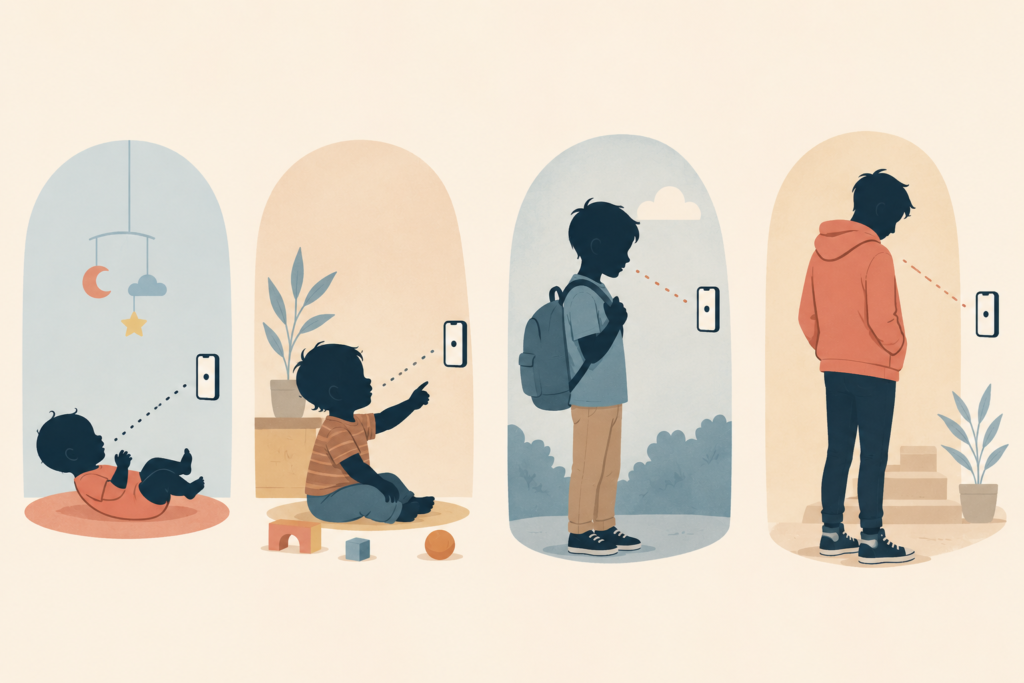
Sharenting Looks Different at Every Age
To many parents sharenting might not have felt harmless initially. This is the reason why many parents have been doing it.
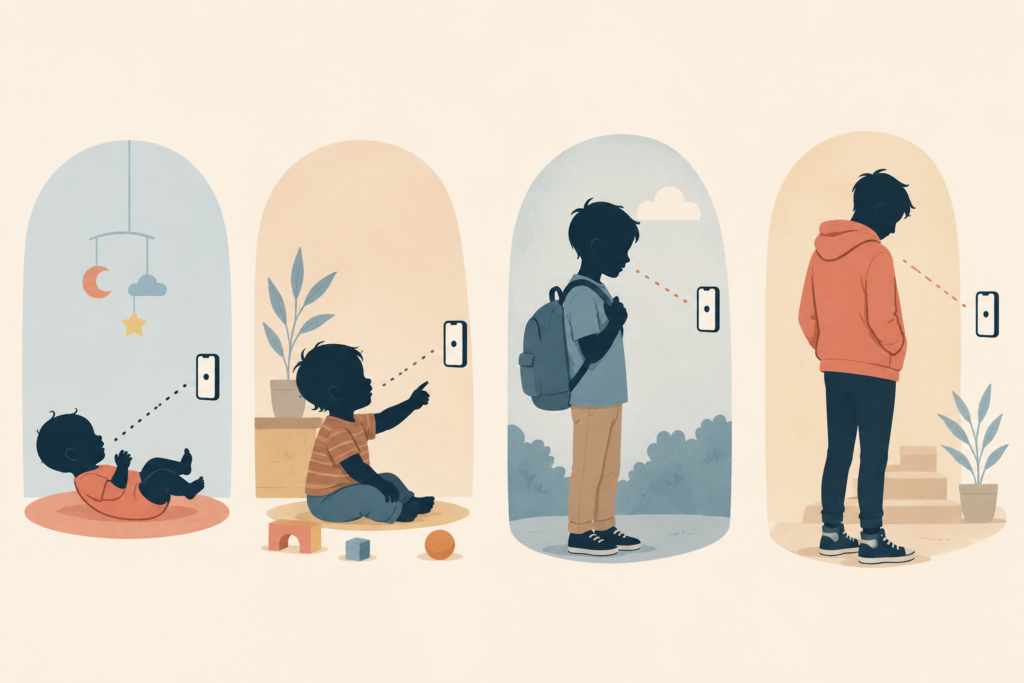
- Newborns and babies are hard to identify that is why many parents are comfortable sharing their child’s life.
- Toddlers and preschoolers start to get recognized at schools or kindergarten. Facing familiarity by children might hint parents about the added weight.
- School-age kids begin to develop their opinion about things and want to share their input on what to post online. At this stage many parents start to ask their children.
- Tweens and teens want to take control over their online presence and this is where the control shifts from parents to children.
The rules and control of sharenting keep changing with the growth of child. The control and comfort level of most parents shift with the age of their child.
So… Should You Post?
This is a debatable topic with no correct answer. Parents might have to find out a middle ground with their children. Few questions need to be asked before developing your rules regarding sharenting.
- Would my child be okay with this if they could weigh in? You obviously can’t ask a toddler, but imagining their future teenage self seeing the post is a useful gut check.
- Am I sharing this for them, or for the reaction? There’s a difference between documenting a proud moment and posting something because it’ll perform well.
- Is this their story to tell, or mine? Milestones and family moments are usually fine. Their struggles, diagnoses, or deeply personal moments may be theirs to share someday, not yours to share now.
- Who can actually see this? A private account with people you know is a very different exposure level than a public one built for growth.
Some parents also adjust with time. Many moms who initially post freely with their first child adopt a conservative and private approach with their second. After giving a thorough thought to their decisions their decisions evolve with sharenting as with other aspects of life.

The Bottom Line
Debate about sharenting is more related to being intentional or spontaneous and not to bad or good. Whether you’re an open book online or you’ve pulled back to sharing almost nothing, what matters most is that the choice feels like yours, made with your child in mind, rather than something you fell into without thinking about it. However you proceed with sharenting, it is not necessary to defend it to others. It is your family therefore it is your decision.


