


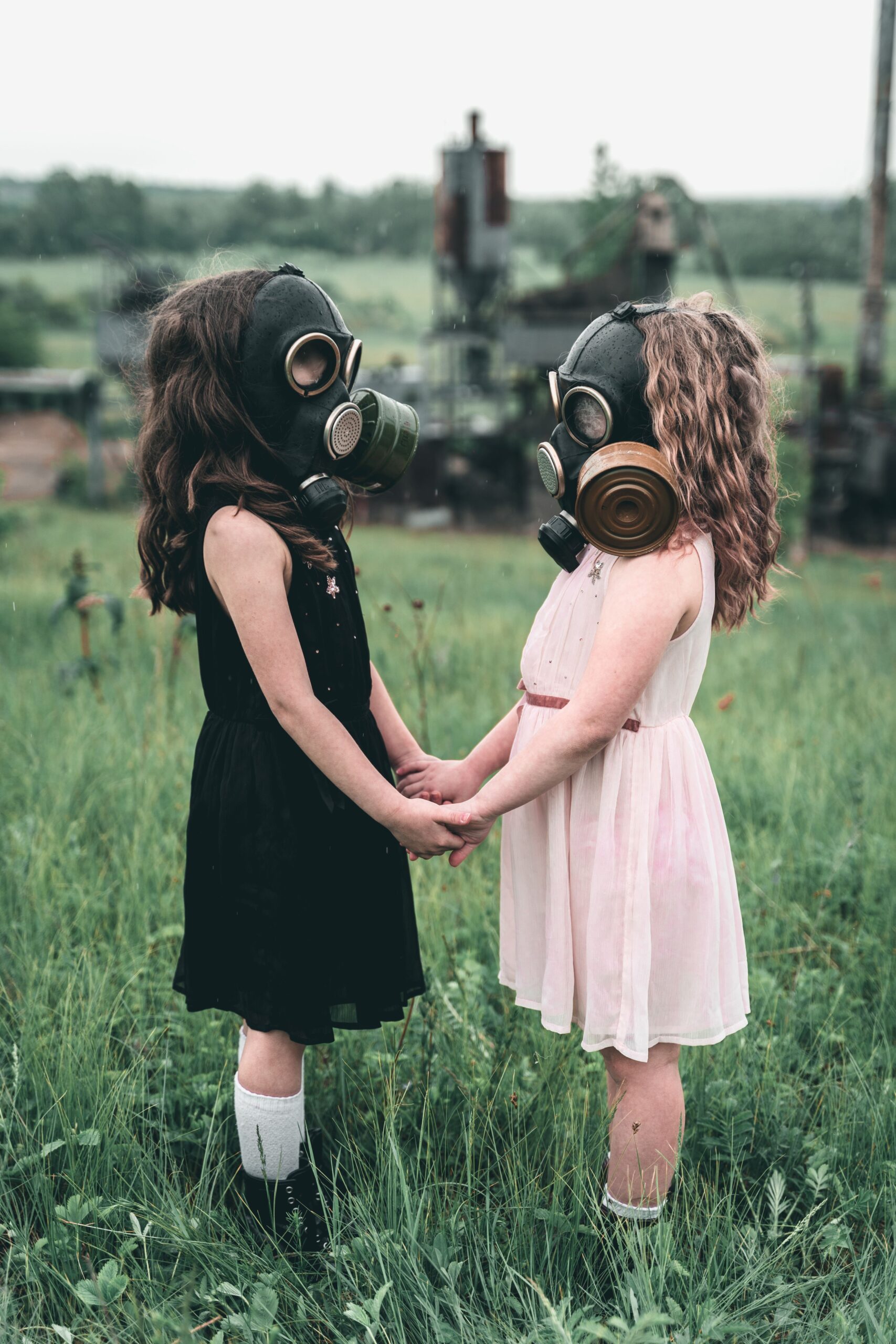
Infectious disease outbreaks not only disrupts everyday life but also spreads anxiety and grief. An adult might be able to bear it but your children are vulnerable to the uncertainty and emotional weight. Your child might not be able to express the fears and keep absorbing the tension. It is important for you as a parent to psychologically, emotionally and practically prepare kids for emergencies.
Preparing children should not mean to frighten them or tell them disturbing stories. It only means to make them gradually adapt routines that are hygienic and responsible. A prepared child will be emotionally resilient and not fearful of a situation but strives to figure out a solution and makes effort to get past the difficult times. You can prepare kids for emergencies by teaching them to follow reliable instructions, consistent routines, practical emergency planning, genuine emotional validation and staying connected to support networks.
1. Teach Kids How Infections Spread
When preparing children of difficult times it is most important that you do not frighten them. If your child is aware of the importance of anything they will be ready to accept the change. These changes should then be infused in their routines. Once they observe how important these changes are for you and how strictly you enforce them on yourself they will always welcome and practice such changes. Explain them basic topics like germs, proper hand wash, covering sneezes and coughs. Your child must be aware of things not to share such as bottles, gums, lollipops etc.
You also need to make them aware about the importance of staying at home when sick to protect others and restrict the spread of disease. It is also important to teach children to research for reliable sources and to question health information and not believe rumors. The goal of how to prepare kids for emergencies should be to develop healthy habits rather than fear of disease.
2. Prepare Kids For Emergencies
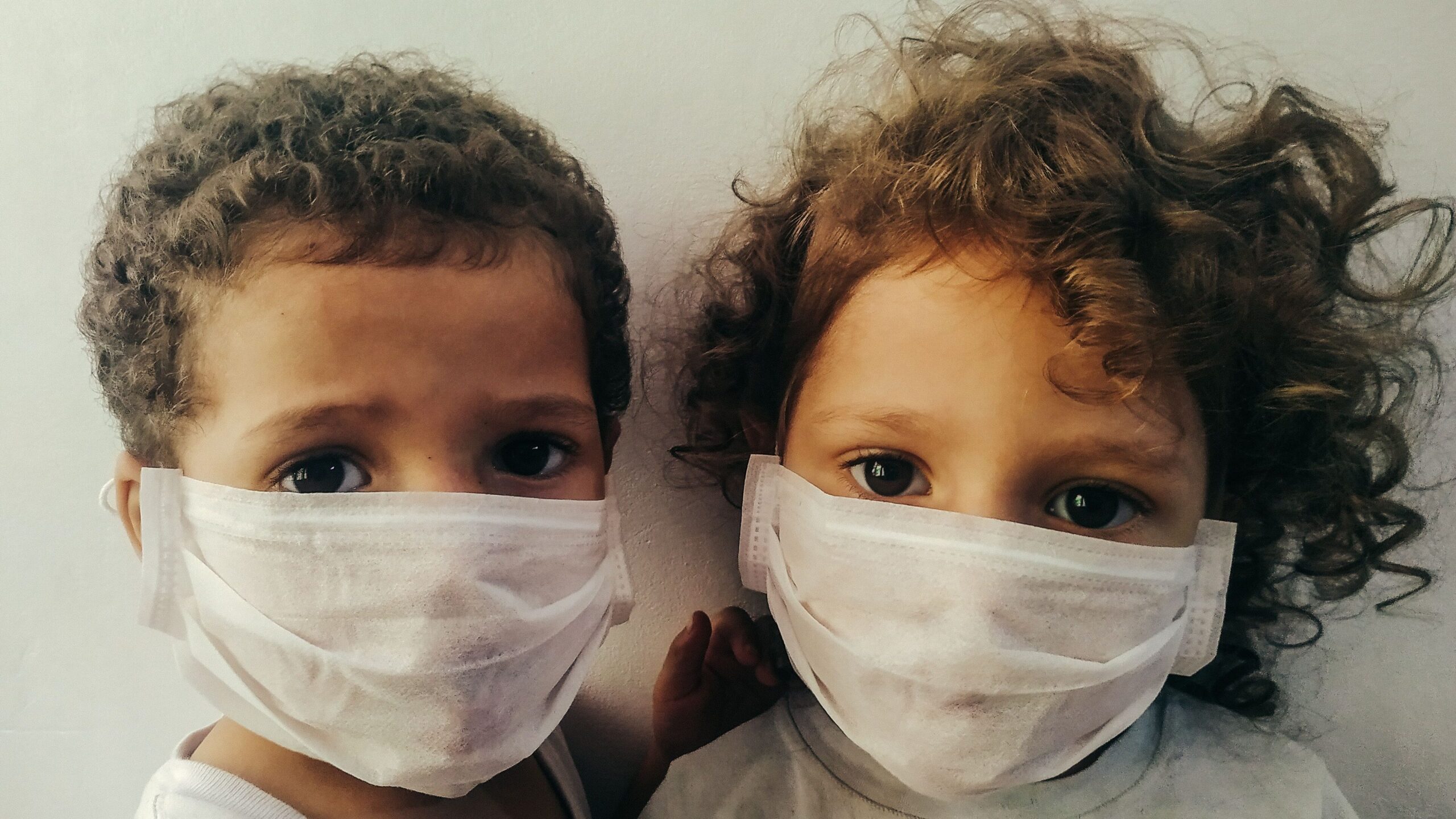
The most difficult phase during any pandemic or epidemic is the sudden disruption to routine life. Develop enough sense in your child to weigh what matters most among competing priorities during difficult times. This can be done in their daily routine by making them understand what is more important between fun activities, education, travel, sports, social gatherings etc. Make them take small decisions in their routines so that they are able to decide and understand when faced with disruption in normal life. Once your child is accustomed to flexibility, they will find it easier to manage prolonged disruptions.
3. Build a Family Health and Emergency Plan
Your child must be aware about the routine to follow if someone is sick or if normal services face disruption. Make your children aware about who to contact if parents are unavailable. Your child must be aware of emergency contacts or where to find them. Explain to your child about the symptoms that require immediate attention and must be made aware to an adult. Important medical documents and emergency contact information must be accessible to children. You need to make a simple and easy emergency plan and
4. Teach Kids to Handle Fear, Stress, and Uncertainty
Children usually take emotional cues from parents. It is important for you as a parent not to express panic as it would make the child think of immediate danger. Instead try to handle situation with calmness and intelligence. Communicate with the children with honesty but refrain from frightening them unnecessarily. Only share necessary details and assure them that you are together and nothing will happen. Encourage regular communication along with exercise, hobbies, sleep etc. Let your child know that you are there for them and are responsible for making safety decisions. Your focus should not be to eliminate fear but to act responsibly and not loose the ability to thing calmly.
5. Turn Preparedness Into a Family Habit
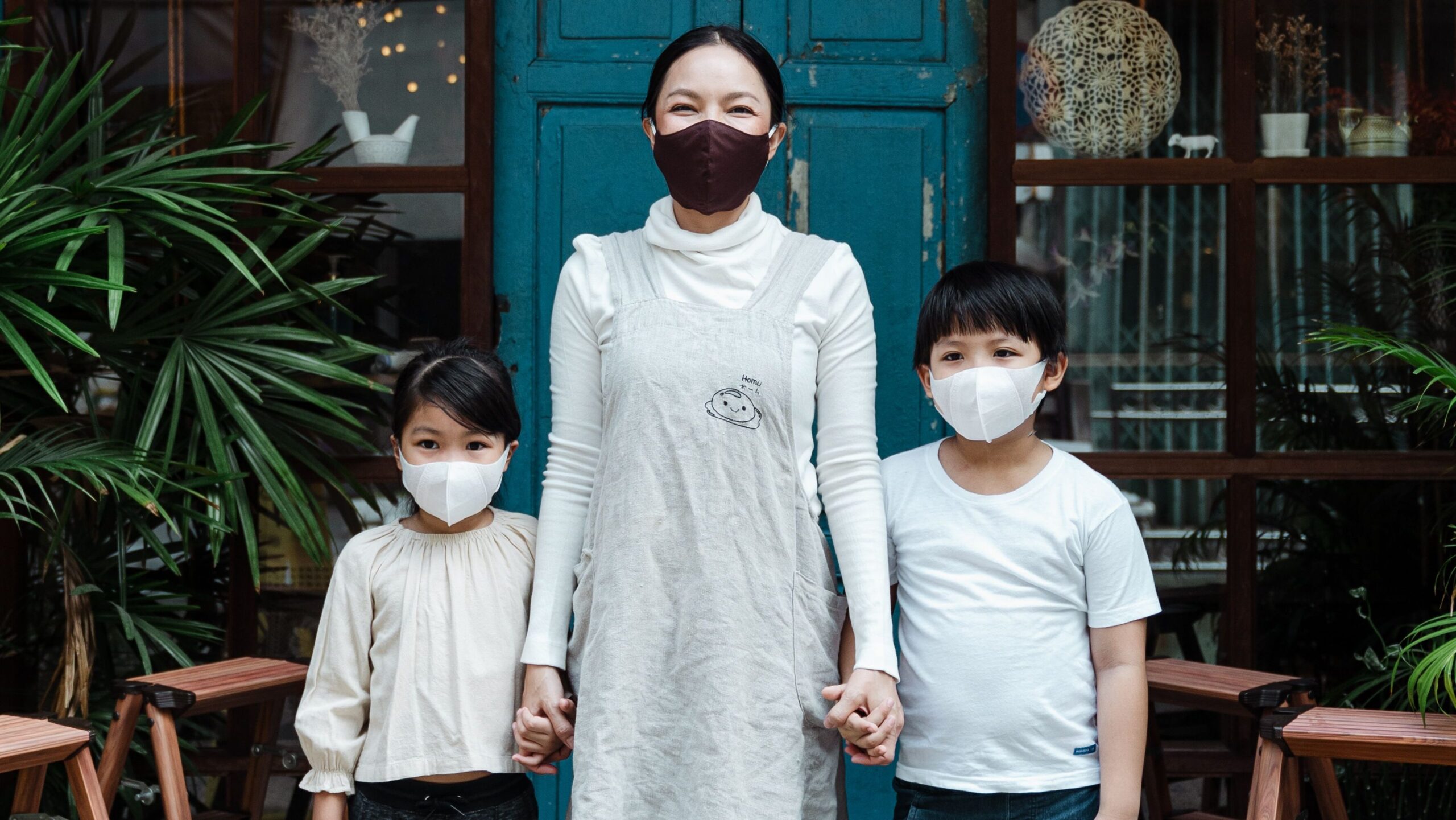
You need to understand as a parent that Emergency preparedness must not begin after an outbreak. Infusing small habits in your child’s routine can prove extremely valuable and lifesaving during a crisis such as a pandemic or an epidemic. Your elder child needs to be aware of emergency communication and routine to follow along with basic first aid. Try to review your family’s simple emergency plan periodically. Remember to always praise your children for showing responsible behavior and refrain from frightening them and forcing them to comply.
It is your job to develop practical preparedness and not frightening them. Your child should not live in fear of an epidemic or pandemic. They only need to be confident and aware of how to respond when life changes. The best time to prepare kids for emergencies is in the absence of emergency.


